
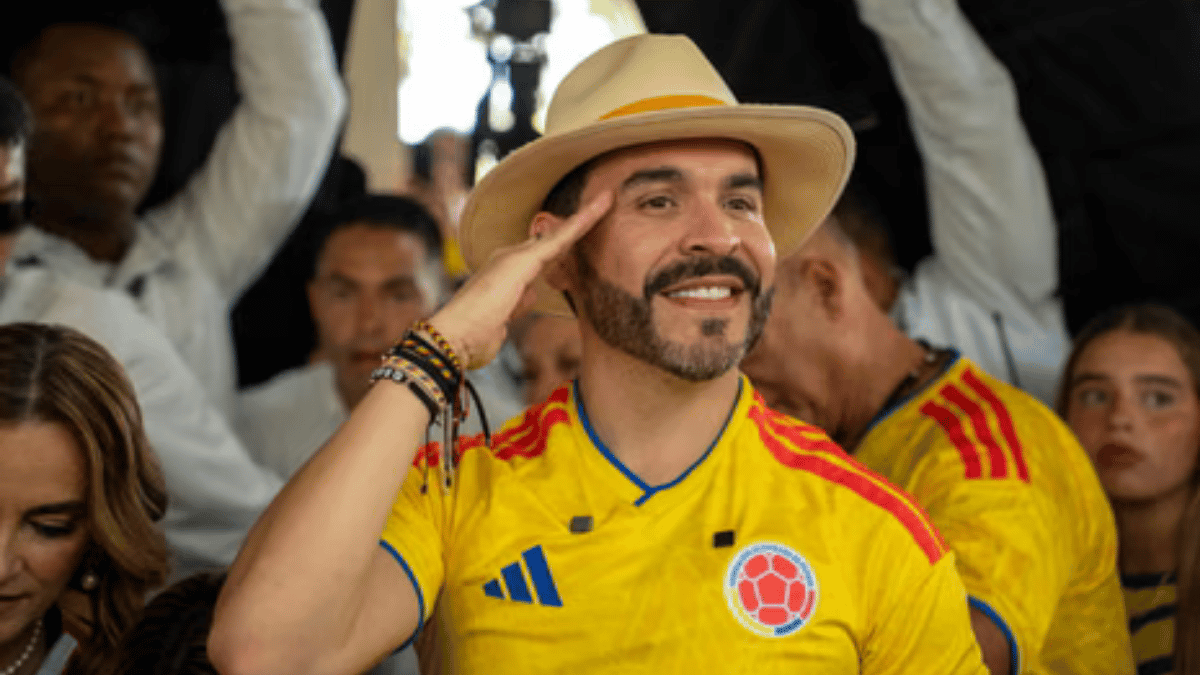
Left-wing candidate Iván Cepeda conceded defeat to Abelardo de la Espriella on Wednesday, three days after Colombia’s presidential runoff produced the narrowest presidential victory in recent Colombian history. Preliminary results showed De la Espriella winning by just 0.96 percentage points, with roughly 12.96 million votes to Cepeda’s approximately 12.7 million, a margin of about 250,000 ballots. A record number of Colombians voted in the Sunday contest.
A Delayed but Democratic Concession
Cepeda initially withheld recognition of the result, saying he would wait for the official scrutiny process to conclude. When that process confirmed a 99.997% match with the preliminary count, he relented. “I have decided to accept the result of the process, which indicates that Abelardo de la Espriella is the new president of the republic,” Cepeda said, adding that he acted “as an act of democratic responsibility” to promote coexistence and dialogue.
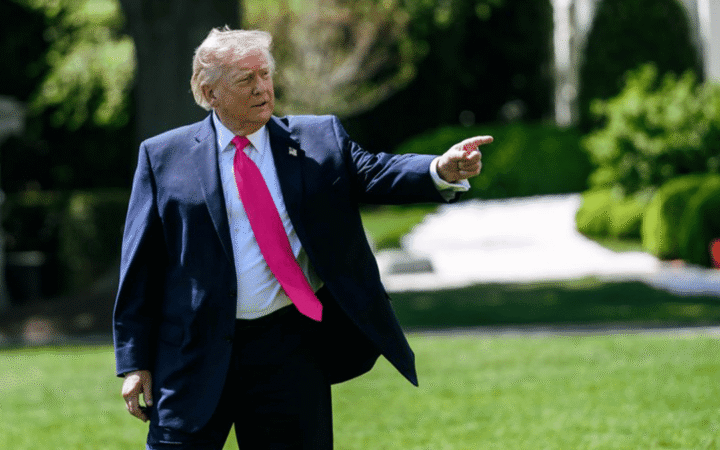
His concession came with clear reservations. Cepeda insisted that accepting the electoral outcome did not mean “renouncing the truth or remaining silent in the face of facts that we consider serious.” He also sharply criticized Donald Trump for endorsing De la Espriella and for labelling Cepeda a “radical Left Marxist,” declaring: “We denounce the open and undue foreign interference in Colombia’s internal affairs, in particular the interventions of President Donald Trump.”
As the runner-up, Cepeda is entitled to a Senate seat, where he said he would serve as a democratic and constructive opposition voice.
Petro’s Bitter Handover
Outgoing President Gustavo Petro initially refused to recognize the result as well, before announcing in a lengthy social media post on Tuesday night that he would begin the transition process with president-elect De la Espriella. In the 4,500-word post, Petro wrote that handing over power felt like giving Simón Bolívar’s sword “to a viceroy,” a pointed reference to Trump’s backing of the incoming president.
The comparison underscored the deep ideological gulf between Petro’s administration and the one set to replace it. Since the runoff, De la Espriella has already moved to build closer ties with the Trump administration than Petro ever managed, having repeatedly clashed with Washington during his term.
De la Espriella’s Agenda
De la Espriella’s victory signals a sharp rightward shift for Colombia. He has pledged to resume a full-scale military offensive to end the country’s decades-long armed conflict, and announced that Colombia would join the “Shield of the Americas,” a US-led alliance targeting criminal cartels and drug trafficking. “Colombia will NO longer be governed by an administration that is complacent towards narco-terrorism,” he declared.
Despite threatening during the campaign to “gut the Left,” De la Espriella adopted a conciliatory tone in his victory speech, assuring that those who thought differently would have nothing to fear. Trump, for his part, claimed De la Espriella had won “easily,” a characterization that sat awkwardly alongside the razor-thin margin.
De la Espriella is scheduled to be sworn in on August 7. His inauguration will mean that only four countries across Latin America remain under left-wing administrations, marking a significant shift in the region’s political landscape.
Trump’s Shadow Over the Vote
The role of the Trump administration loomed large over the entire contest. Trump’s endorsement of De la Espriella and his dismissive characterization of Cepeda drew widespread criticism from the losing camp and fueled debate about foreign interference in Colombian democracy. The contrast between Petro’s fractious relationship with Washington and De la Espriella’s warm reception there suggests a fundamental realignment in US-Colombia relations is already underway.