
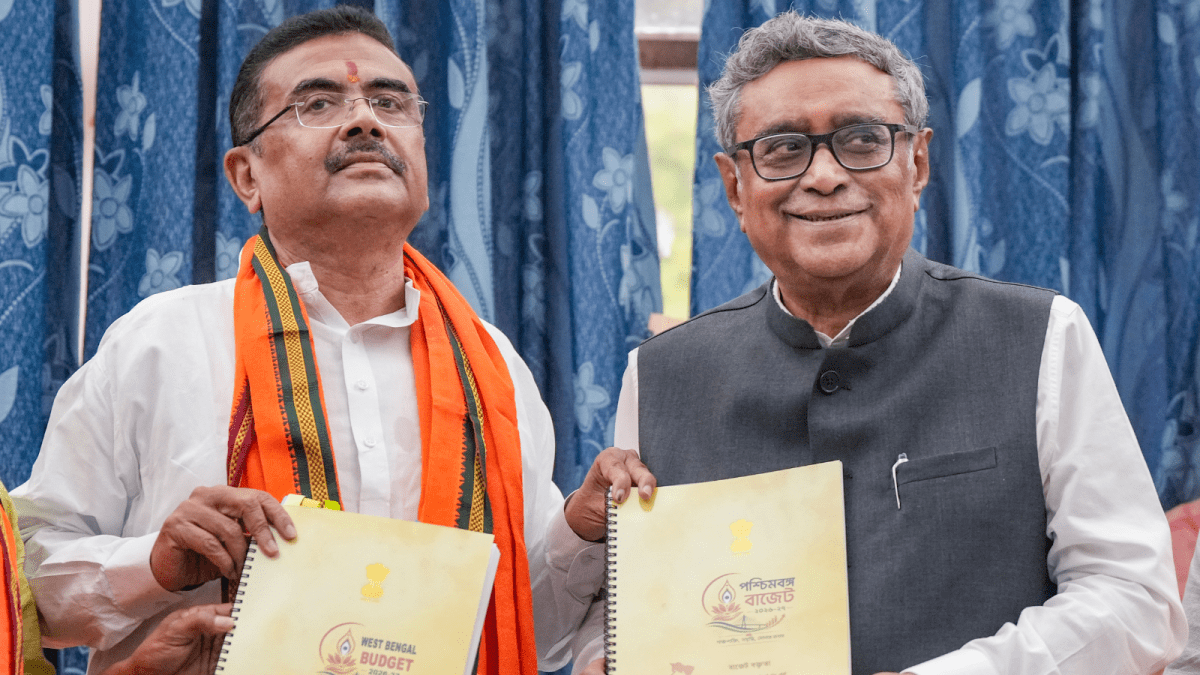
The newly elected BJP government in West Bengal is preparing to introduce a Uniform Civil Code Bill during the ongoing Assembly session, fulfilling a key promise from the party’s election manifesto. Chief Minister Suvendu Adhikari has confirmed the draft will go before the Cabinet on July 2, with the legislation expected to be introduced in August following a review by an expert committee.
From Manifesto Promise to Legislative Action
The BJP had pledged during the West Bengal Assembly elections to implement the Uniform Civil Code within six months of coming to power. A business advisory meeting held late Thursday evening at the state Assembly included discussions on tabling several Bills, with the UCC Bill among them.
Adhikari announced during the Budget Session on Monday that the draft Bill would be examined by a task force led by retired Supreme Court judge Ranjana Prakash Desai. The committee, which also includes an educationist, a social worker, and an IAS officer, has four weeks to submit its report. It will examine nine issues, among them marriage, divorce, inheritance of property, custody of children, and adoption, and will seek public views before finalizing its recommendations.
“The Uniform Civil Code will definitely be implemented in Bengal,” Adhikari said. He added that ancient tribal communities and indigenous people will remain outside the scope of the legislation.
Tribal Exemptions and the Constitutional Basis
West Bengal BJP state president Samik Bhattacharya took to social media to underscore the party’s position on tribal exemptions, clarifying that “nothing contained in this Code shall apply to the members of any Scheduled Tribes” as defined under Article 366 clause 25 read with Article 342 of the Constitution of India. He also reaffirmed that the UCC is a core party commitment, stating: “BJP’s stand in regards to Uniform Civil Code is clear. It is part of the party’s election manifesto.”
West Bengal would join a growing list of BJP-governed states to enact the UCC. The party has already implemented the code in Uttarakhand and passed a law in Gujarat. Last month, Assam became the third BJP-ruled state to pass a UCC Bill after returning to power.
Opposition and Minority Voices Push Back
The move has drawn sharp criticism from opposition parties and Muslim organizations. All India Muslim Personal Law Board member Uzma Alam argued the legislation would infringe on minority rights, asking: “Is this a way to target only one community and its beliefs?” She also questioned why Scheduled Tribes are exempted while other communities are not.
Fellow AIMPLB member Mohd Kamrudzaman said Muslims find the UCC unacceptable and would protest. ISF MLA Naushad Siddiqui said he intends to participate in the Assembly debate and oppose the Bill.
Trinamool Congress MP Mahua Moitra framed her party’s opposition in broader political terms, stating the code’s “only purpose is to strengthen religious polarisation.” The TMC, which governed West Bengal before the BJP’s election victory, has positioned itself firmly against the legislation.
The BJP’s West Bengal manifesto had also promised strict laws against so-called “love jihad” and “land jihad,” signaling a wider social agenda the party intends to pursue in the state.