

The Central government on June 23 unveiled a special contingency plan targeting 315 vulnerable districts across India, responding to fears that an El Niño weather phenomenon could weaken the southwest monsoon and seriously damage kharif crops during the critical planting season.
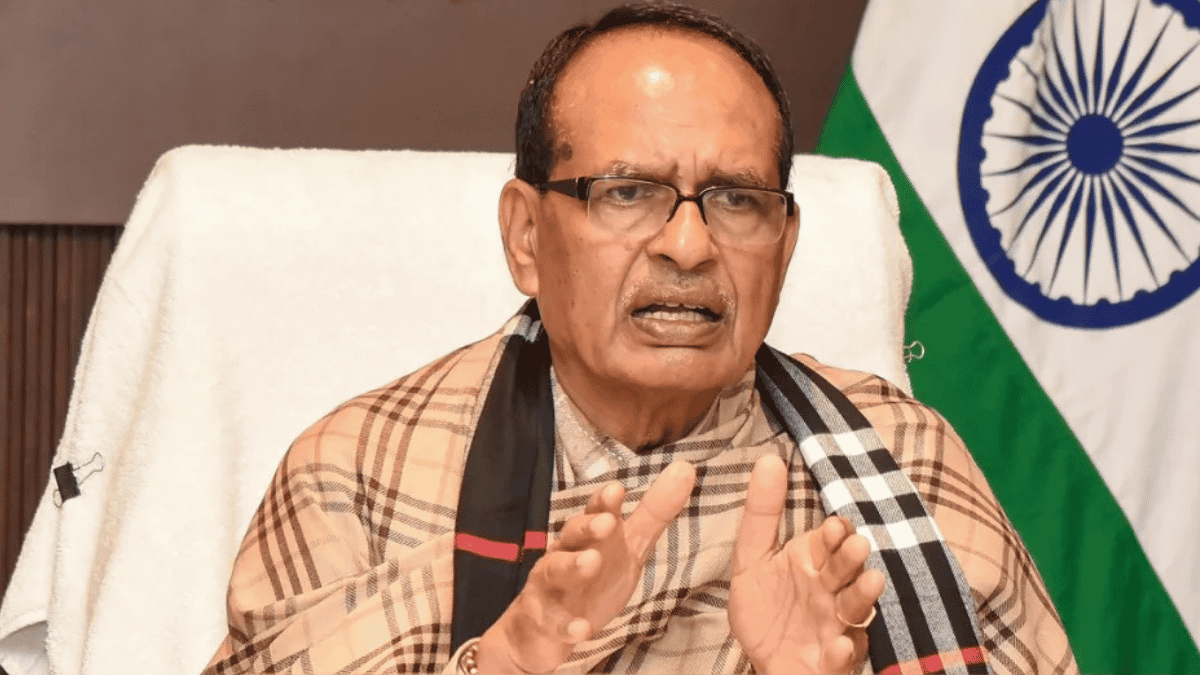
Union Agriculture Minister Shivraj Singh Chouhan chaired a high-level virtual meeting that brought together state agriculture ministers, senior officials, and experts from the Indian Council of Agricultural Research, ICAR’s Central Research Institute for Dryland Agriculture, and the India Meteorological Department to assess the deteriorating monsoon situation. Chouhan noted that rainfall was running approximately 43 per cent below normal as of the meeting date, with IMD forecasting continued weakness through at least the week ending July 2.
Mapping the Risk: High, Medium, and Low Priority Districts
Of the 315 districts flagged as vulnerable, 111 have been designated high priority because irrigation covers less than 25 per cent of their farmland, making them almost entirely dependent on rainfall. Another 76 districts fall into the medium priority category, with irrigation coverage between 25 and 50 per cent, while the remaining 128 districts carry lower priority status due to relatively stronger irrigation infrastructure.
The bulk of these districts are spread across 12 states: Madhya Pradesh, Maharashtra, Gujarat, Uttar Pradesh, Rajasthan, Karnataka, Bihar, Jharkhand, Telangana, Andhra Pradesh, and Odisha. ICAR and ICAR-CRIDA have prepared district-level agriculture contingency plans for every district in the country, each tailored to local climatic conditions, cropping patterns, water resources, and risk factors.
Emergency Measures and Farmer Support
The government has directed immediate repair and strengthening of ponds, reservoirs, farm ponds, check dams, stop dams, and temporary embankment structures under the MGNREGA and VB-GRAMG schemes. States have also been advised to encourage farmers to shift toward short-duration crop varieties and those requiring less water, with particular emphasis on pulses, millets, known officially as Shri Anna, and oilseeds.
Seed stocks for the kharif season are described as adequate, with additional reserves set aside for districts most at risk. Supplies of major fertilisers including urea, DAP, MOP, NPK, and SSP are reported to be satisfactory. Looking further ahead, authorities are also preparing logistics plans to move fodder from surplus areas to deficit ones should the monsoon weaken severely enough to cause shortages.
To protect farmers financially, states have been directed to expand enrollment under the Pradhan Mantri Fasal Bima Yojana crop insurance scheme in potentially affected districts and to accelerate the issuance of Kisan Credit Cards. India’s 731 Krishi Vigyan Kendras are being used to deliver technical guidance through SMS, WhatsApp, call centres, radio, television, and social media.
Karnataka Among the Hardest Hit So Far
Karnataka offers a sharp illustration of the monsoon’s uneven and damaging impact. The state recorded an overall rainfall deficit of 32 per cent as of June 23, according to the Indian Express, even though the monsoon arrived in parts of the state as early as June 4 and spread gradually in the days that followed.
The situation is particularly severe in the Malnad and Coastal regions, which together recorded a 59 per cent deficit. Malnad received only 102 mm of rain against a long-term average of 250 mm, while coastal Karnataka logged just 242 mm compared to an average of 584 mm. Data from the Karnataka State Natural Disaster Monitoring Centre showed three districts recording deficits between 60 and 99 per cent below normal, and 15 more falling between 20 and 59 per cent below average. Only eight districts had received normal rainfall.
Bengaluru was a notable exception, recording 79 mm of rain by June 23, which represented a 24 per cent surplus over typical levels. South interior Karnataka also matched its long-term average with 55 mm. The slow monsoon progress has left major reservoirs across the state without significant inflows. IMD responded by issuing an orange alert for Karnataka’s coastal districts through June 26, along with yellow alerts covering south interior and north interior districts.