
The first half of the inaugural West Bengal Assembly session following the state polls concluded on Thursday, marked by sharp divisions within the Trinamool Congress and a political standoff that has split the party into two rival camps. The BJP, which won the state election, formed the government with Suvendu Adhikari as Chief Minister, while the opposition benches became a theatre of intra-TMC conflict.
A Party Divided: Rebel Faction Gains Official Recognition
The TMC has fractured into two factions: one loyal to former Chief Minister Mamata Banerjee and a rebel grouping led by Ritabrata Banerjee, which has drawn 62 of the party’s 80 MLAs. Speaker Rathindra Bose formally accepted Ritabrata Banerjee as Leader of the Opposition in the West Bengal Assembly, a decision that has deepened the rift with Mamata loyalists.
Akhruzzaman, MLA from Raghunathganj in Murshidabad, was designated the rebel faction’s chief whip, while Sobhandeb Chattopadhyay serves as chief whip of the Mamata-loyalist group. The recognition of the rebel bloc has fuelled tensions on the floor of the House and in its corridors.
Mamata-loyalist MLAs, including Chattopadhyay, Madan Mitra, Kunal Ghosh, and Ashima Patra, refused to enter the legislators’ hall room after the rebel faction was given pride of place there. They chose instead to sit in corridors or in front of the House doors. Chattopadhyay’s demand for a separate room for the loyalist faction had not been met. Kunal Ghosh was pointed in his criticism of Ritabrata Banerjee’s new role, asking, “How can someone accused in a rape case be made the LoP?”
Assembly Drama: Walkouts, Budget, and Sharp Words
The rebel TMC faction walked out during Chief Minister Adhikari’s reply to the Governor’s address, protesting what they described as the omission of post-poll violence against TMC supporters from the Governor’s speech. The Mamata loyalists stayed in the House during that moment, a distinction Adhikari was quick to highlight. “The Good TMC walked out but the Kalighat Trinamool remained in the House,” he said, using the loyalists’ Kolkata base as a pointed label.
Ghosh, for his part, offered a measured explanation for staying seated: “We thought Suvendu Adhikari is giving his first speech as CM, and we should not walk out.” He was also emphatic about where his allegiances lie. “The ink on my finger has not yet faded. I am not a traitor,” he said, adding that the party would not take direction from Ritabrata Banerjee. “Mamata means Trinamool,” he insisted.
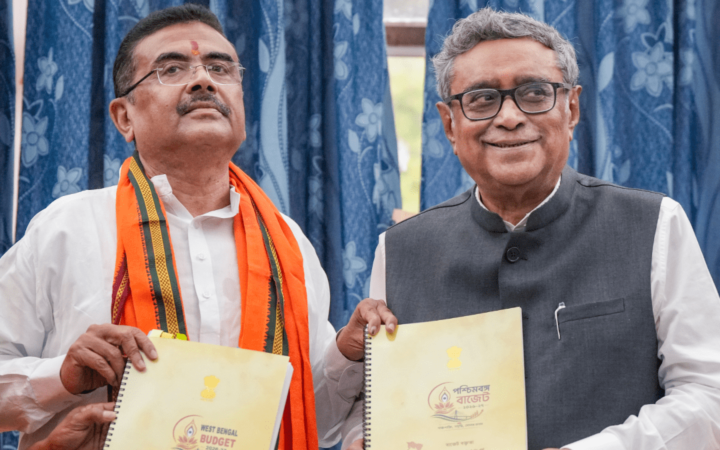
The session also produced moments of legislative surprise. The West Bengal Assembly Budget was passed without changes, and rebel TMC MLA Dinen Roy signalled his faction’s willingness to engage constructively with the new government. “We have to accept what is good as good. We are welcoming this Budget,” he said. The approach drew a dry observation from BJP MLA Sajal Ghosh: “After hearing the speaker before me, I got confused. Is he an Opposition MLA or ruling?”
Chief Minister Adhikari’s own biography added an ironic backdrop to proceedings. He was himself a TMC member before defecting to the BJP, making his position as the leader being opposed by his former party colleagues all the more charged.
Battle Over Martyrs’ Day: Two Factions, One Venue
Beyond the assembly chamber, the TMC split has spilled into preparations for Martyrs’ Day on July 21, one of the party’s most emotionally significant annual events. Both the Mamata Banerjee-led faction and the Ritabrata Banerjee-led rebel group have formally applied to Kolkata Police for permission to hold their respective rallies at the traditional venue outside Victoria House in central Kolkata.
Martyrs’ Day commemorates 13 Congress workers killed in police firing in Kolkata in 1993, during a protest demanding that voter ID cards be the sole valid document for casting ballots. TMC has observed the occasion every year since July 21, 1994, and it carries deep significance for the party’s identity.
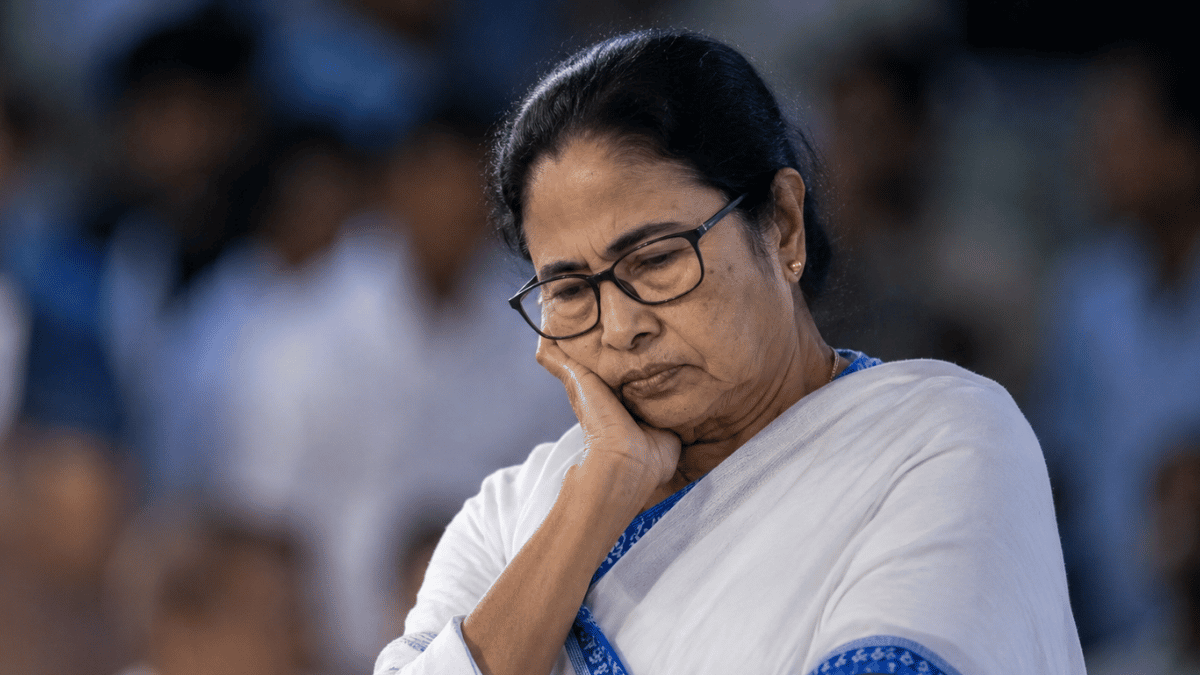
Mamata Banerjee made clear she intends to hold her ground, telling a preparatory meeting organised by North Kolkata TMC at Rammohan Hall that she would attend regardless of turnout. “Even if there are only five workers, I will be at that meeting,” she said. TMC MP Mahua Moitra confirmed the loyalist faction’s police application had been submitted following a meeting at Mamata’s Kalighat residence. She added that the faction would not be deterred: “If the police do not grant permission to set up a stage, we will do it on the street.”
On the rebel side, Akhruzzaman said his faction would extend an open invitation. “July 21 is tied to our deepest emotions,” he said, noting they would invite everyone, including Mamata Banerjee, to their rally. At a separate rebel TMC meeting to review preparations, party councillors were directed to maximise mobilisation from their wards, and leaders called for protests against the state government’s proposed Anti-Hooliganism Bill, which they described as anti-humanity.
State Urban Development Minister Agnimitra Paul said Chief Minister Adhikari had already granted Mamata permission to hold her July 21 event at the Y-Channel, suggesting the government was not planning to block the loyalist rally outright. With both factions staking their claim to the same tradition and the same street, the contest over who truly speaks for Trinamool Congress is set to intensify as July 21 approaches.