
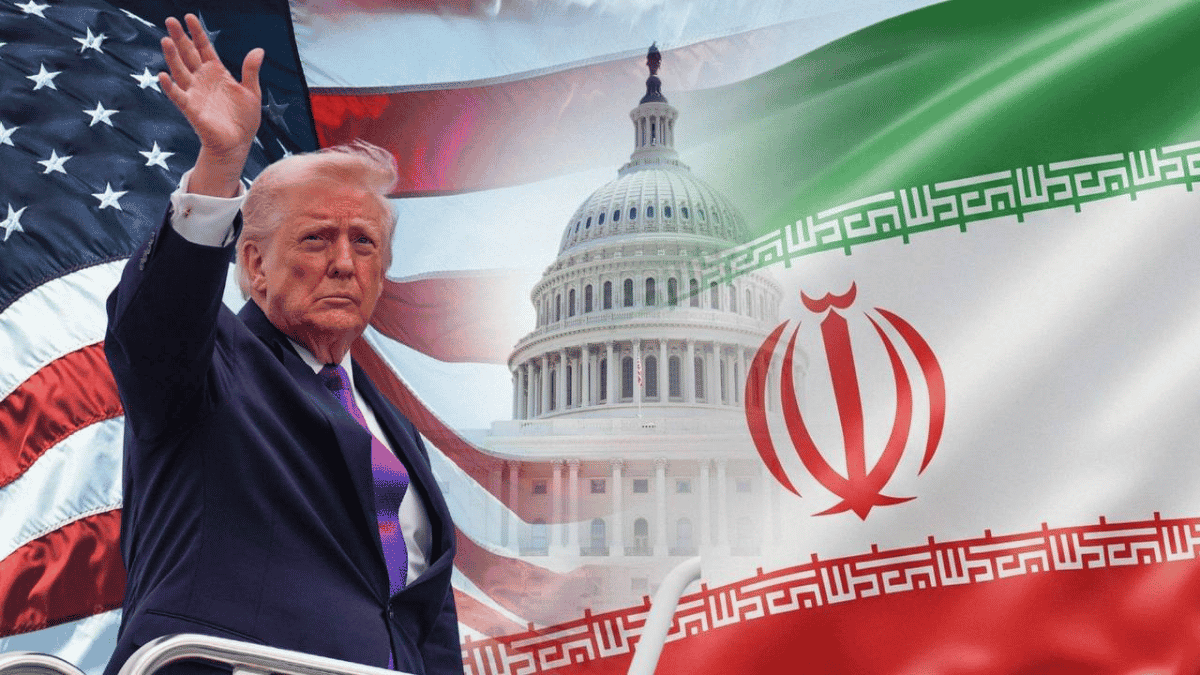
A landmark US-Iran peace deal was announced on June 14, ending a conflict that began on February 28 when US and Israeli strikes killed Supreme Leader Ayatollah Ali Khamenei and several top Iranian commanders. Pakistani Prime Minister Shehbaz Sharif was the first to publicly confirm the agreement, posting on X that “both sides have declared the immediate and permanent termination of military operations on all fronts, including in Lebanon.” President Donald Trump confirmed the deal on Truth Social, declaring the Strait of Hormuz would reopen and the US naval blockade of Iranian ports would be lifted immediately.
How the War Unfolded
The conflict that brought the world’s most critical oil chokepoint to a standstill escalated rapidly after the February 28 strikes. Iran responded on March 1 with missile strikes that killed three people in the UAE, including an Indian national. Hezbollah launched strikes on Israel days later, broadening the theatre of war.
A two-week ceasefire brokered under US pressure came into effect on April 8 after Trump warned of catastrophic consequences if Iran refused a deal, but peace remained elusive. When talks in Pakistan failed to yield a lasting agreement, Washington announced a naval blockade of Iranian ports on April 12. Around April 22, Iran fired on three ships in the Strait of Hormuz and seized two of them, even as the ceasefire was extended indefinitely.
Fighting flared again between June 1 and 11. Iran shot down a US drone and a US Army helicopter, and a US strike on a Palau-flagged tanker on June 10 killed three of the 24 Indian sailors aboard. A Pentagon assessment reported to Congress that more than 80% of Iran’s missile, drone and naval defence industrial base had been destroyed or damaged during the campaign.
The Peace Deal and Its Terms
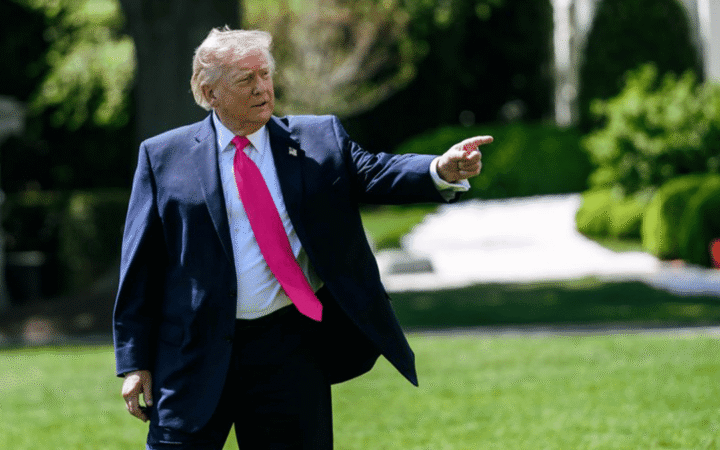
Trump declared on Truth Social: “The Deal with the Islamic Republic of Iran is now complete. Congratulations to all!” He authorized what he called the “toll free opening of the Strait of Hormuz” and the immediate removal of the US naval blockade. In a characteristically blunt sign-off, he added: “Ships of the World, start your engines. Let the oil flow!”
Iran’s Deputy Foreign Minister Kazem Gharibabadi confirmed the deal on state television, saying the halt to military operations would take effect immediately. He added that a 60-day period of further negotiations would follow, contingent on Iran verifying US fulfillment of its commitments, which include ending hostilities, lifting the naval blockade, and releasing frozen Iranian assets.
Iran’s Mehr news agency reported the contents of a 14-point draft memorandum of understanding, though neither government officially confirmed those details. According to Mehr, the draft includes a permanent ceasefire on all fronts including Lebanon, complete lifting of the naval blockade within 30 days, suspension of sanctions on oil sales, the release of $24 billion in frozen Iranian assets during the 60-day negotiation window, and a final agreement on nuclear issues within 60 days. Mehr also reported that discussions on Iran’s missile programme and its support for regional militant groups had been removed from the negotiating agenda, and that final talks would not begin until at least half of Iran’s frozen funds are released, oil sanctions are suspended, and the blockade is lifted.
A formal signing ceremony is scheduled for Friday, June 19, in Switzerland. US Vice President JD Vance is expected to attend, with Trump’s participation also possible. CNN reported that plans for an in-person signing in Europe had been scaled back in favour of an electronic signing, partly due to Trump’s schedule ahead of the G7 summit in France. Vance said the agreement has nuclear restrictions built in, telling reporters: “I think we can safely say, with confidence, that Iran will never have a nuclear weapon.”
Sharif credited Qatar, Saudi Arabia, and Turkey with brokering the deal. Qatar’s Ministry of Foreign Affairs welcomed the memorandum and credited its partnership with Pakistan in facilitating the agreement. Pakistan’s Army Chief Field Marshal Asim Munir travelled to Tehran twice in May for direct talks with senior Iranian officials, and Pakistan mediated indirect exchanges between US special envoy Steve Witkoff and Iranian Foreign Minister Abbas Araghchi. Turkey and Egypt also served as channels. Trump had held a one-on-one lunch with Munir at the White House in June as Washington weighed whether to join Israeli strikes on Iran.
The Lebanon Complication
The road to agreement nearly unravelled in its final hours. An Israeli airstrike on Beirut’s southern Dahiyeh district on Sunday killed three people and injured six, targeting what Israel described as senior Hezbollah commanders after Hezbollah fired projectiles into northern Israel. Trump said the strike had delayed the signing process and was reportedly blunt with Israeli Prime Minister Benjamin Netanyahu about it. Trump told the Wall Street Journal he was furious at Netanyahu for ordering the strikes, which he believed might torpedo the nearly completed deal.
Iran’s foreign ministry said it held the US responsible for the Israeli attack on Beirut. Iran had insisted throughout negotiations that any agreement must cover all fronts, including Lebanon, where Israeli forces have carried out an extensive offensive and occupy parts of the south. Israel is not a party to the US-Iran deal and has insisted it will continue striking Hezbollah in response to attacks in northern Israel.
Israeli commentators and former officials expressed concern that the deal does not restrict Iran’s ballistic missile programme or its support for regional militant groups. A columnist in the Israeli daily Maariv described the outcome as a major setback for Israel, while a former national security adviser to Netanyahu called it a serious misstep.
Market Reaction and the Road Ahead
Global markets responded sharply to the deal announcement. Brent crude fell more than 4% on Monday to around $83.81 to $84 a barrel, its lowest since March, down from a wartime peak of approximately $120. US-traded oil fell 4.7% to $80.89 a barrel. Before the conflict, Brent had been trading around $70 a barrel.
Asian equity markets surged. Japan’s Nikkei 225 rose approximately 4.3 to 4.5%, South Korea’s Kospi jumped about 5.7%, and Australia’s ASX 200 gained around 1.5%. S&P 500 futures rose about 1% and Nasdaq futures climbed about 1.6%. India’s Nifty 50 surged 1.53% and the BSE Sensex rose 1.59% at the open on Monday.
ANZ head of Asia research Khoon Goh said the fall in oil prices would provide relief for central banks worried about inflation, noting that attention was also turning to the US Federal Reserve’s interest rate decision that week. Energy analyst Vandana Hari of Vanda Insights cautioned that a lack of detail in the agreement was likely to inject unease and uncertainty into the oil market.
Experts warn that oil flow through the Strait of Hormuz, which normally carries about 20% of the world’s oil and liquefied natural gas, will not immediately return to pre-war levels. Mines in the waterway must be cleared, a backlog of tankers needs to be processed, and oil production needs to restart. Mine clearance alone could take anywhere from weeks to six months. Trump has linked the physical reopening of the strait to the formal signing of the deal on Friday and the progress of mine-clearance work, and he was expected to raise shipping disruption issues at the G7 summit, which began Monday.
Leaders of the UK, France, Germany, and Italy issued a joint statement saying they would work closely with the US, Iran, and regional partners to seize the moment. Iran’s embassy in Turkey offered a more poetic assessment, posting: “Welcome to the Middle East of a new era.”